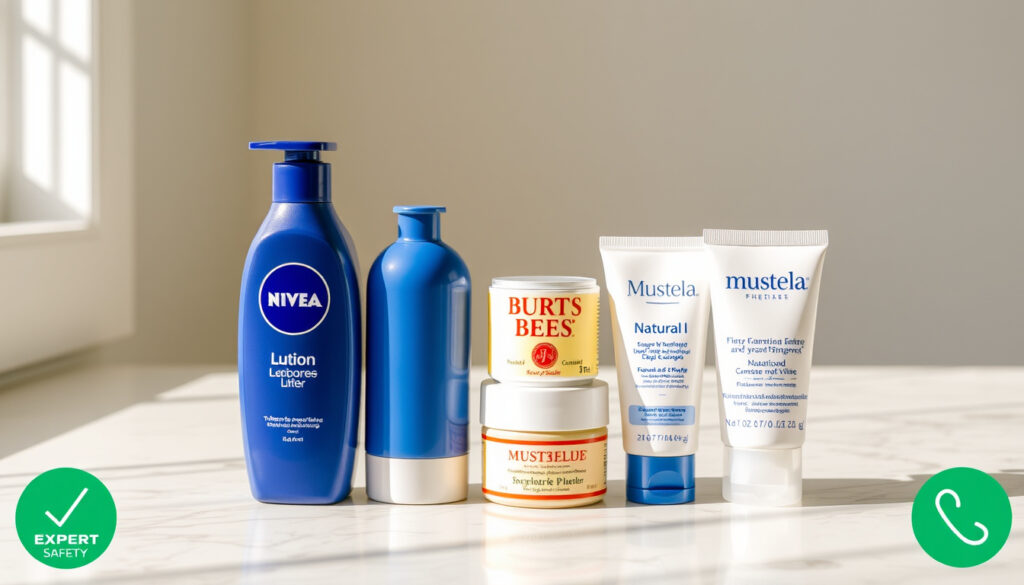
I’m A Pregnant Woman. Are Nivea Products Safe Compared To Burt’s Bees Or Mustela? – Expert Safety Comparison
Choosing skincare products during pregnancy requires careful consideration of ingredients and brand formulations. Many expectant mothers wonder whether popular brands like Nivea measure up against natural alternatives such as Burt’s Bees and Mustela when it comes to safety and efficacy. Understanding how these three brands compare can help pregnant women make informed decisions about their skincare routines.
Pregnancy brings significant changes to skin sensitivity and chemistry, making it essential to evaluate each product’s ingredient list rather than relying solely on brand reputation. While all three brands have their own strengths, the actual safety of any individual product depends on its specific formulation and how it aligns with current dermatological guidance.
Are Nivea Products Safe During Pregnancy?
Nivea products are generally considered safe during pregnancy when they contain low-risk ingredients, according to medical sources. The brand’s widespread availability and affordable pricing make it an attractive option for expectant mothers, though not all formulations are optimized for pregnancy-specific skin concerns.
Dermatologists note that Nivea products do not carry specific red flags in pregnancy contexts, but they emphasize the importance of reading labels carefully. Some Nivea products contain parabens or synthetic fragrances that some pregnant women prefer to avoid, making individual product selection crucial.
Quick Brand Comparison Overview
| Brand | Key Strengths | Potential Concerns | Pregnancy Rating |
|---|---|---|---|
| Nivea | Affordable, widely available, extensive range | Parabens in some formulations | Generally safe with ingredient verification |
| Burt’s Bees | Natural ingredients, transparent labeling | Limited pregnancy-specific studies | Generally safe, verify each product |
| Mustela | Pregnancy-specific product lines, dermatologist-tested | Higher cost, limited retail availability | Frequently recommended for pregnancy |
Key Safety Insights
- All three brands are generally viewed positively when high-risk active ingredients are avoided
- Nivea’s affordability and availability make it accessible, but ingredient verification remains essential
- Burt’s Bees ranks among the top 10 trusted pregnancy beauty brands according to consumer surveys
- Mustela offers dedicated pregnancy formulations designed specifically for expectant mothers
- No direct head-to-head clinical comparison exists between these three brands for pregnancy safety
- Brand-wide safety guarantees do not exist—individual product review is necessary
- Consulting healthcare providers for personalized advice is recommended before using any new skincare product
Pregnancy Safety Snapshot
| Brand | Key Ingredients | Avoids Harmful Additives? | Pregnancy Approved? |
|---|---|---|---|
| Nivea | Glycerin, shea butter, aloe | Some products contain parabens | Verify per product |
| Burt’s Bees | Natural beeswax, botanical extracts | Generally avoids synthetic additives | Generally safe |
| Mustela | Avocado oil, shea butter, vitamin E | Fragrance-free options available | Pregnancy-formulated options exist |
| Pregnancy-Safe Alternatives | Colloidal oatmeal, squalane, ceramides | EWG-verified clean formulas | Recommended by dermatologists |
| Ingredients to Avoid | Retinoids, high parabens, synthetic fragrances | Must be avoided entirely | Not approved during pregnancy |
| Safe Alternatives | Azelaic acid, niacinamide, hyaluronic acid | Naturally derived, low-risk | Dermatologist-recommended |
How Do Burt’s Bees and Mustela Compare for Pregnancy Safety?
Burt’s Bees has established itself as a trusted choice among pregnant women, frequently appearing in lists of beauty brands that moms trust during pregnancy. The brand’s commitment to natural ingredients appeals to expectant mothers seeking to minimize exposure to synthetic chemicals, though the lack of pregnancy-specific formulations means each product requires individual verification.
Mustela distinguishes itself by offering dedicated product lines specifically formulated for pregnancy and postpartum care. The brand’s focus on gentle, natural ingredients aligns with dermatologist recommendations for expectant mothers, though its higher price point and limited retail availability may pose challenges for some consumers.
Understanding Natural vs Synthetic Ingredients
The distinction between natural and synthetic ingredients does not automatically translate to safety during pregnancy. While Burt’s Bees emphasizes botanical and naturally-derived ingredients, some natural compounds may still warrant caution. Conversely, carefully formulated synthetic ingredients can provide safe and effective skincare solutions for pregnant women.
Dermatologists recommend prioritizing products that have received favorable ratings from organizations like the Environmental Working Group (EWG), regardless of whether they are labeled as natural or synthetic. Products containing ingredients rated 1-3 on the EWG scale generally represent lower-risk choices during pregnancy.
When evaluating skincare products during pregnancy, look for formulations containing azelaic acid (EWG rating 3) as an alternative to retinol for treating acne or melasma. Products with niacinamide and ceramides have received EWG ratings of 1, making them particularly suitable for sensitive pregnancy skin.
Dermatologist Recommendations
Medical professionals emphasize hydration as a priority during pregnancy, recommending ingredients like hyaluronic acid, shea butter, and glycerin for maintaining skin barrier function. For specific concerns like acne or hyperpigmentation, azelaic acid emerges as a preferred alternative to retinoids, which carry documented risks to fetal development.
Testing of pregnancy-safe skincare products reveals positive feedback for non-drying cleansers containing niacinamide and ceramides (EWG 1), soothing toners with aloe and witch hazel, and facial oils featuring squalane (EWG perfect score). Users report no irritation even on sensitive skin, with high repurchase intent for these formulations.
What Ingredients Should Pregnant Women Avoid in Skincare Like Nivea?
Topical retinoids, including retinol and other vitamin A derivatives, represent the most significant ingredient category to avoid during pregnancy. Medical sources confirm that these compounds carry documented risks to fetal health, and pregnant women should select products specifically labeled as retinoid-free when addressing anti-aging or acne concerns.
Synthetic fragrances, certain preservatives, and elevated levels of parabens also warrant caution among expectant mothers. While complete avoidance of all synthetic ingredients is neither necessary nor practical, prioritizing products with transparent ingredient lists allows pregnant women to make informed choices about their skincare routines.
Ingredients to Avoid and Safer Substitutes
| Ingredient Category | Risk During Pregnancy | Recommended Alternative | EWG Rating |
|---|---|---|---|
| Topical Retinoids | Documented fetal health risk | Azelaic acid | 3 |
| High Parabens | Endocrine disruption concerns | Preservative-free options | Varies |
| Synthetic Fragrances | Skin sensitivity, allergic reactions | Fragrance-free formulations | Varies |
| Niacinamide | Safe for pregnancy use | Naturally present | 1 |
| Ceramides | Safe for pregnancy use | Barrier repair support | 1 |
| Colloidal Oatmeal | Safe for pregnancy use | Soothing properties | 1 |
| Squalane Oil | Safe for pregnancy use | 7 ingredients, minimal formula | Perfect |
No single brand-wide safety endorsement exists for Nivea, Burt’s Bees, or Mustela during pregnancy. Expectant mothers should verify each individual product through resources like the EWG Skin Deep database, dedicated skincare scanning applications, or by consulting directly with their obstetrician or dermatologist.
Reading Labels Effectively
Understanding ingredient lists empowers pregnant women to make informed decisions about skincare products. When evaluating options from brands like Nivea, look for products that clearly list all ingredients and avoid formulations containing unidentified fragrance compounds, which may hide potential allergens or irritants.
Prioritizing products with shorter ingredient lists, like the squalane oil option noted in testing (containing only seven ingredients), reduces the likelihood of encountering problematic compounds and simplifies the verification process for expectant mothers.
Nivea vs Burt’s Bees vs Mustela: Pregnancy Safety Comparison
Comparing these three brands reveals distinct approaches to skincare during pregnancy. Nivea offers accessibility and affordability with a broad product range, though formulation variability means careful label-checking remains essential. Burt’s Bees attracts mothers seeking natural ingredient transparency but lacks dedicated pregnancy-specific lines. Mustela provides formulations designed specifically for expectant mothers, though at a premium price point.
No clinical studies directly compare the safety or efficacy of these three brands during pregnancy. Available evidence consists primarily of consumer reviews, dermatological recommendations for individual ingredients, and expert opinions on general pregnancy skincare principles.
Evaluating Brand-Specific Claims
Both Nivea and Mustela have been described as low-risk options by medical sources when products are carefully selected. Burt’s Bees maintains strong consumer trust rankings among pregnant women, though verification of each individual product remains the consensus recommendation across medical and parenting communities.
The American College of Obstetricians and Gynecologists and the FDA have not issued specific brand endorsements or warnings for these three companies. General guidance from these organizations aligns with the recommendation to avoid retinoids and consult healthcare providers for personalized skincare advice during pregnancy.
For pregnant women prioritizing natural ingredients, Burt’s Bees and Mustela may offer more consistent alignment with that preference. Those valuing affordability and accessibility may find certain Nivea products suitable after careful ingredient verification. Mustela’s pregnancy-specific formulations could appeal to mothers seeking products explicitly designed for prenatal and postpartum skin concerns.
Historical Development of Pregnancy-Safe Skincare
The availability of pregnancy-formulated skincare products has expanded significantly over the past two decades, reflecting growing consumer awareness and medical research into ingredient safety during pregnancy. Brands like Mustela have capitalized on this demand by developing dedicated product lines addressing the unique skincare needs of expectant mothers.
- Early 2000s: Growing medical research identifies risks associated with topical retinoids during pregnancy, prompting increased scrutiny of skincare ingredient safety
- 2005-2010: Consumer advocacy groups like the Environmental Working Group launch databases helping pregnant women evaluate product ingredients
- 2010-2015: Natural skincare brands including Burt’s Bees gain popularity among pregnant women seeking ingredient transparency
- 2015-Present: Major brands like Nivea expand their ranges to include more pregnancy-conscious formulations while dedicated pregnancy brands continue growing
- Present Day: Healthcare providers increasingly incorporate skincare guidance into prenatal care discussions
What Is Known and What Remains Uncertain
Established evidence confirms that topical retinoids carry documented risks during pregnancy and should be avoided entirely. Dermatologists consistently recommend azelaic acid, niacinamide, and ceramides as safe and effective alternatives for common skincare concerns like acne and barrier repair during pregnancy.
| Established Information | Remaining Uncertainties |
|---|---|
| Retinoids pose documented fetal risks | Specific safety thresholds for various parabens |
| Natural ingredients are not automatically safer | Optimal ingredient concentrations for pregnancy products |
| EWG ratings provide useful safety guidance | Long-term effects of repeated product use during pregnancy |
| Individual product verification is essential | Brand-wide safety guarantees do not exist |
| Dermatologist consultation is recommended | ACOG/FDA have not endorsed specific brands |
| Hydration and barrier repair are pregnancy priorities | Comparative efficacy of different pregnancy skincare approaches |
Significant gaps remain in the available research, including the lack of direct head-to-head comparisons between Nivea, Burt’s Bees, and Mustela for pregnancy safety. ACOG and FDA guidance does not specifically endorse any of these brands, leaving pregnant women to rely on general safety principles and individual product verification.
The Regulatory Landscape for Pregnancy Skincare
Cosmetics regulation varies significantly between jurisdictions, with the FDA in the United States taking a post-market oversight approach rather than pre-approving individual products. This regulatory framework places greater responsibility on manufacturers to ensure ingredient safety and on consumers to verify products independently.
European Union cosmetics regulations generally impose stricter ingredient restrictions than the United States, which may influence formulation differences between products sold in different markets. Pregnant women purchasing products internationally should be aware that ingredient formulations may vary by region.
Healthcare providers increasingly emphasize proactive skincare ingredient review during prenatal consultations, though formal training in cosmetics formulation remains limited in medical education. Patients are encouraged to bring product ingredient lists to appointments for personalized guidance.
Expert Perspectives and Medical Guidance
“For pregnant women concerned about skincare safety, prioritize hydration with ingredients like hyaluronic acid and shea butter. When addressing specific concerns like acne or melasma, azelaic acid provides a safe and effective alternative to retinoids.”
— Dermatological guidance sources on pregnancy skincare
“Products containing niacinamide and ceramides with EWG ratings of 1 represent particularly suitable choices for sensitive pregnancy skin. The key is individual product verification rather than brand assumption.”
— Environmental Working Group skincare safety assessments
Consumer reviews consistently highlight positive experiences with pregnancy-safe formulations, reporting no irritation even on sensitive skin and expressing high repurchase intent for products that meet safety criteria. These testimonials complement but do not replace medical guidance in informing skincare decisions during pregnancy.
Summary and Practical Recommendations
All three brands—Nivea, Burt’s Bees, and Mustela—can be considered generally safe for pregnancy when products are carefully selected based on ingredient verification rather than brand reputation alone. Mustela offers the advantage of pregnancy-specific formulations, while Burt’s Bees provides natural ingredient transparency and Nivea delivers accessibility and affordability.
Pregnant women should prioritize products with favorable EWG ratings (1-3), avoid topical retinoids entirely, and consult healthcare providers for personalized guidance. Individual product verification through ingredient databases, skincare scanning applications, and medical consultation remains the consensus recommendation across medical and parenting communities.
For additional information on product safety recalls during pregnancy and pregnancy health warning signs, consult comprehensive prenatal care resources and healthcare providers.
Frequently Asked Questions
Best natural skincare brands for pregnancy?
Brands like Burt’s Bees and Mustela are frequently recommended for their natural ingredient commitments. However, natural does not automatically mean safer, so individual product verification remains essential regardless of brand positioning.
Can I use Nivea lotion while pregnant?
Many Nivea products are considered generally safe during pregnancy when they contain low-risk ingredients. Always check individual product labels for parabens, fragrances, and other ingredients you may want to avoid.
What body lotion is safest during pregnancy?
Look for fragrance-free, EWG-verified options containing ingredients like glycerin, shea butter, ceramides, or colloidal oatmeal. Prioritize products with short, transparent ingredient lists.
Is Mustela better than Nivea for pregnancy?
Mustela offers pregnancy-specific formulations, while Nivea provides broader accessibility. Neither brand carries blanket pregnancy approval—individual product selection matters more than brand comparison.
What ingredients in skincare are dangerous during pregnancy?
Topical retinoids (retinol, vitamin A derivatives) carry documented fetal health risks and should be avoided. High parabens, synthetic fragrances, and certain preservatives also warrant caution.
How can I verify if a product is safe for pregnancy?
Consult the EWG Skin Deep database, use skincare scanning applications, review ingredient lists carefully, and discuss specific products with your obstetrician or dermatologist.
Does Burt’s Bees contain pregnancy-safe ingredients?
Burt’s Bees generally avoids synthetic additives and emphasizes natural ingredients. Many products rate favorably on ingredient safety databases, but verification of each specific product is still recommended.
Are there pregnancy-specific Nivea products?
Nivea does not market a dedicated pregnancy product line, though many individual products contain pregnancy-appropriate ingredients. Always verify specific products rather than assuming brand-wide safety.
More related posts
 BYU vs Iowa State: Head-to-Head Record, Predictions & Key Facts
 How to Split Screen on Chromebook: Step-by-Step Guide & Shortcuts
 What Does WLW Mean? TikTok, Snapchat, Instagram Explained
 State Employees Credit Union: Eligibility & Safety Guide
 Sabrina the Teenage Witch: The 90 Cla ic Sitcom Guide
 Cast of Mean Girls 2024: Full List, Ages & Where to Watch
 How Many Felonies Was Trump Convicted Of? 34 Counts Explained
 HP Instant Ink Login – Step-by-Step Guide and Fixes
