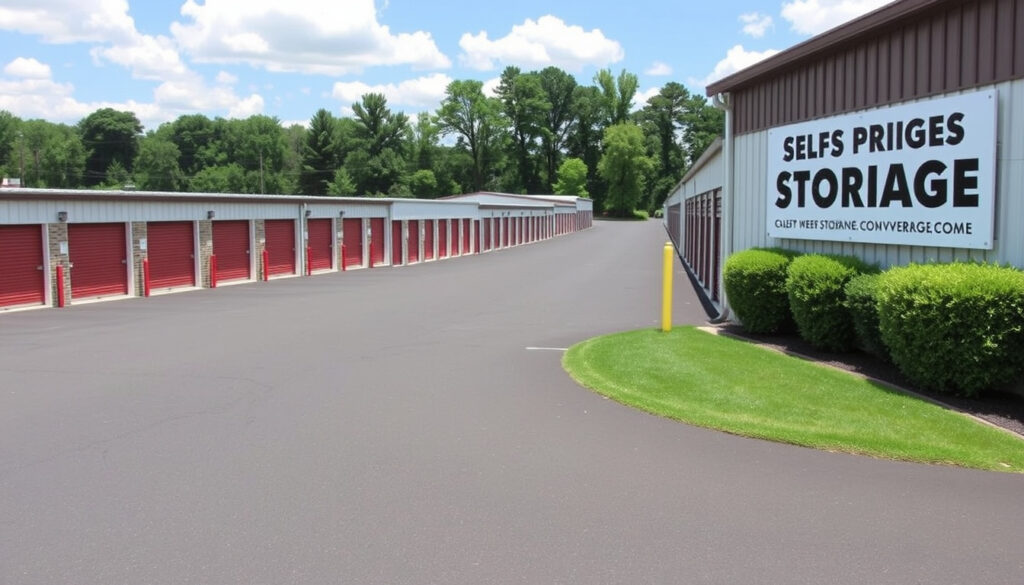
Self Storage Near Me – Cheap Units Sizes Prices Waldorf MD
Finding the right self storage near you means balancing location, price, unit size, and features you actually need. Whether you’re clearing out a home, storing a vehicle, or need temporary space during a move, the options available in the Waldorf, Maryland area cover a wide range of needs and budgets. From compact 5×5 units under $30 to climate-controlled 10×10 spaces around $135 per month, local facilities offer flexible solutions for residential and commercial customers alike.
This guide walks through how to locate storage units near you, what sizes are available, what features matter most, and how pricing compares across the region. Research draws from current listings in Waldorf, District Heights, Forestville, and surrounding areas to give you a practical starting point for your search.
How Do I Find Self Storage Near Me?
The most effective way to find storage units near you is through online directories that aggregate local facilities, allowing you to filter by location, unit size, and features. Sites like RentCafe and Extra Space list dozens of facilities serving the Waldorf area, with more than 30 facilities and 397 units currently available. These platforms let you compare prices side by side, check real-time availability, and read reviews from other customers.
When evaluating options, consider what access you need. Many facilities offer 24-hour access through gate codes, meaning you can retrieve items outside standard business hours. This matters if you work irregular schedules or need occasional evening or weekend access to stored belongings.
Under $50/month
Starting at $20 for 5×5
$135-$164/month
10×10 average
5×5 to 5×10
25-50 sq ft range
Most facilities offer
Easy loading access
Key Insights About Local Self Storage
- Local 5×5 units start as low as $20 at facilities like Affordable Mini Storage, with options under $30 at Tower Self Storage
- Climate-controlled units maintain temperatures between 55-80°F year-round, protecting sensitive items from humidity damage
- RentCafe data shows 10×10 climate units average around $135 per month in the Waldorf area, compared to $161-$164 nearby
- RV and vehicle storage is widely available, with options starting around $64 per month and averaging $155
- Month-to-month leases are standard across most facilities, offering flexibility without long-term commitments
- Drive-up access is common at most locations, making it easier to load heavy furniture and appliances
Unit Sizes and What They Cost
| Unit Size | Avg Cost/Month | What Fits | Best For |
|---|---|---|---|
| 5×5 | $20-$78 | Boxes, small furniture, seasonal items | Clutter, office records |
| 5×10 | $59-$149 | Furniture from a studio or 1-bedroom | Small apartment moves |
| 10×10 | $59-$164 | 1-2 bedrooms of furniture | Growing families, renovations |
| 10×20 | $90-$382 | Full home contents or vehicles | Major moves, vehicle storage |
Storage prices in the Waldorf area can vary significantly between facilities, sometimes by 50-200% for comparable units. Prices shown reflect current listings but change regularly based on demand, season, and promotions. Always verify current rates directly with facilities before signing a lease.
What Size Self Storage Unit Do I Need?
Choosing the right size prevents you from paying for unused space or discovering your belongings don’t fit. Storage units generally fall into three categories: small units (3×4 to 5×10, roughly 25-50 square feet) handle miscellaneous items or contents from a studio apartment; medium units (8×10 to 10×10, about 80-100 square feet) accommodate 1-2 bedrooms of furniture; and large units (10×20 to 10×30, 200-300 square feet) hold entire home contents or multiple vehicles.
Understanding Square Footage
A 5×5 unit covers 25 square feet—about the size of a small closet. This works well for boxes, seasonal decorations, or a few pieces of furniture. Moving up to a 5×10 doubles that to 50 square feet, providing room for the contents of a studio apartment or a full bedroom set.
The 10×10 unit at 100 square feet fits a living room plus bedroom furniture comfortably, making it popular for people between apartments or those decluttering during a home sale. A 10×20 unit at 200 square feet serves customers storing entire household contents or vehicles like RVs and boats.
Matching Your Needs to Unit Sizes
Before renting, measure your largest items and estimate total volume. Many facilities provide size guides that translate room equivalents (like “1-bedroom apartment” or “2-bedroom home”) into recommended unit sizes. If storing furniture, consider whether you need to stack, which affects how much you can fit.
For reference, a standard sofa takes about 35 square feet, a queen mattress about 30 square feet, and a dining table set roughly 40 square feet. Running these estimates helps avoid underestimating your space requirements.
How Much Does Self Storage Cost?
Self storage costs in the Waldorf region range widely based on unit size, climate control, location, and access features. Current data shows small 5×5 units start around $20 per month at budget facilities, while climate-controlled 10×10 units average $135-$164 monthly. Larger 10×20 units span from roughly $90 to over $380 depending on features and location.
Factors That Affect Pricing
Climate control adds significant cost but protects sensitive belongings year-round. These units maintain consistent temperatures between 55-80°F, which matters for electronics, wooden furniture, artwork, documents, and anything susceptible to humidity damage. Six facilities in Waldorf alone offer climate-controlled options in various sizes.
Location plays a role as well. Facilities closer to Waldorf proper sometimes charge more than those in nearby areas like District Heights or Forestville. U-Haul locations in the District Heights area show 5×7 and 5×10 units running $120-$140 per month without climate control, while climate options push toward $250 for larger units.
Hidden Costs and Fees to Know
Insurance represents a common additional cost. While rates vary, expect to pay roughly $10-$20 per month for coverage that protects your stored items against theft, fire, and water damage. Most facilities require some form of insurance before completing your rental.
Many storage facilities offer promotional pricing for first-time customers, with deals ranging from $5-$20 for your initial month. These specials can significantly reduce upfront costs, though you should confirm what the regular rate will be after the promotional period ends before committing.
Key Features of Self Storage Units
Modern storage facilities offer various features beyond basic square footage. Understanding which features genuinely matter for your situation helps prioritize your search and potentially save money on features you don’t need.
Climate-Controlled Storage
Climate-controlled units maintain consistent temperature and humidity levels year-round, typically between 55-80°F. This protection matters most for items sensitive to temperature swings: electronics, wooden furniture, antiques, artwork, books, and important documents. Without climate control, summer humidity and winter cold can damage these belongings over time.
Currently, 86 facilities in the District Heights area offer climate-controlled units, with six or more in Waldorf itself. While these units cost more, the protection they provide often justifies the premium for valuable or sentimental items.
Drive-Up Access
Drive-up access means you can park directly outside your unit, making loading and unloading far more convenient. This feature proves especially valuable when storing heavy furniture, appliances, or large quantities of boxes. Most storage facilities in the region offer drive-up options, though you should confirm before booking if easy vehicle access matters to you.
24-Hour Access
Facilities like Extra Space Storage, Tower Self Storage, Economy Storage, Affordable Mini Storage, and Castle Storage offer 24-hour access through gate codes. This flexibility suits customers who need occasional evening or weekend access, work non-traditional schedules, or simply prefer not to restrict their storage visits to business hours.
What Can and Can’t I Store in Self Storage?
Self storage units accommodate a wide variety of items, though federal and facility-specific rules restrict certain materials. Understanding what you can safely store—and what you cannot—helps avoid problems when moving in.
Items Suited for Self Storage
Furniture, clothing, boxes, and electronics represent the most common storage items. For those storing vehicles, most facilities offer outdoor parking spots or enclosed units for cars, motorcycles, and RVs. Climate-controlled units prove particularly valuable for photos, artwork, and collectibles that temperature or humidity could damage.
Business inventory, office furniture, and records also store well in self storage units, provided you maintain access and security. Many facilities include features like security cameras, on-site managers, and coded gates to protect stored business assets.
Prohibited Items
Industry-standard restrictions apply across most facilities. Flammable materials, chemicals, explosives, and other hazardous items are universally prohibited due to safety concerns. Perishable food, living plants or animals, and stolen property also fall outside allowed storage items.
Weapons and illegal materials are strictly forbidden. Most facilities require acknowledgment of these rules during the lease signing process, and violations typically result in immediate termination of the rental agreement.
Storing Vehicles and RVs
Vehicle storage represents a significant segment of the self storage market. In the District Heights area alone, 16 or more facilities accommodate cars, boats, and RVs. Monthly rates for RV storage start around $64 and average approximately $155, though prices vary by vehicle size and whether you need covered or enclosed spots.
Before booking vehicle storage, confirm the dimensions of both your vehicle and the available space. Some facilities offer outdoor uncovered parking, while others provide covered carports or fully enclosed bays. Your choice affects both cost and protection level. If you’re looking for ${dogs for adoption near me}, you can find many options available. dogs for adoption near me
How to Choose the Best Self Storage Facility
Selecting a storage facility involves more than comparing prices. Security features, management quality, cleanliness, and access convenience all affect your experience over the rental period. Taking time to evaluate these factors helps avoid unpleasant surprises later.
Security Considerations
Look for facilities with security cameras, well-lit grounds, gated entry, and on-site managers when possible. These features deter unauthorized access and provide accountability if issues arise. Visiting a facility before signing lets you assess these aspects firsthand—you can see whether cameras cover the area, if the gate functions properly, and how clean the grounds appear.
Understanding Lease Terms
Month-to-month leases represent the standard arrangement across most facilities, offering flexibility without long-term commitments. Some providers, like U-Haul, offer price locks if you commit to longer terms, though this varies. Before signing, clarify what happens at the end of your initial period, whether rates can increase, and what notice is required to vacate.
Most storage facilities require renters to carry insurance covering their stored contents. This insurance typically protects your belongings, not the facility’s structure. Options include purchasing coverage through the facility itself (usually $10-$20 monthly) or using an existing renter’s or homeowner’s policy that extends to storage units. Confirm what coverage you need before completing your rental agreement.
Questions to Ask Before Renting
- What are the exact dimensions of the unit, and do they match what I need?
- Are there any move-in specials, and what does the regular rate become afterward?
- Can I access the facility 24 hours a day, seven days a week?
- What security features does the facility have in place?
- What insurance options are available, and which is required?
- How do I extend or end my rental if my needs change?
The Self Storage Rental Process: A Timeline
Understanding what to expect when renting a storage unit helps you plan accordingly. The process from initial search to having your belongings settled typically spans a few days to a week.
- Search and Compare (Day 1): Use online directories to find facilities near you, compare prices, check features, and read customer reviews. Note which facilities offer the sizes and access options you need.
- Visit and Inspect (Day 2): Tour promising facilities in person. Assess security, cleanliness, unit conditions, and verify that the space matches your expectations. Confirm pricing and any current promotions.
- Sign Lease and Move In (Day 3): Complete rental paperwork, provide identification, purchase required insurance, and receive your access code or key. Begin moving your items into the unit.
- Ongoing Access and Management: Access your unit as needed using your gate code, continue monthly payments on time, and contact facility management if issues arise or your needs change.
What We Know and What Remains Unclear
The self storage industry in the Waldorf region shows clear patterns in some areas while remaining less transparent in others.
- Unit sizes and their typical applications
- General price ranges by size and feature type
- Availability of climate control, drive-up access, and 24-hour entry
- Prohibited items and insurance requirements
- Vehicle storage options and pricing
- Exact current pricing at any specific facility (rates change frequently)
- Availability of specific units at any given moment
- Long-term rate increases over months or years
- Quality differences between facilities (highly variable and subjective)
- How local events or economic changes affect demand
Prices can swing 50-200% between comparable units depending on the facility, time of year, and current promotions. For the most accurate information, verify rates directly with facilities rather than relying solely on directory listings, which may not reflect recent changes.
Understanding the Self Storage Industry
The self storage sector has grown significantly nationwide, with demand driven by housing turnover, lifestyle changes, and business needs. Industry data suggests average monthly rents for standard 10×10 units across the United States typically fall between $100-$200, though local markets show meaningful variation from this national pattern.
In the Waldorf and surrounding areas, current data shows climate-controlled units averaging $135-$164 for 10×10 spaces locally, with higher averages in nearby markets. Demand for climate control and vehicle storage has increased alongside housing market activity, reflecting customers’ need for flexible storage during moves and transitions.
The rise of “near me” searches has pushed facilities to maintain accurate online listings and respond quickly to inquiries. Aggregator platforms like RentCafe and Extra Space have made price comparison easier, though they may not always reflect the most current rates or available promotions at individual locations.
Industry Standards and Where Information Comes From
Self storage industry data in this guide draws from multiple sources. Facility listings and pricing information come from RentCafe, Extra Space, U-Haul, Public Storage, and CubeSmart, providing a cross-section of available options in the Waldorf, District Heights, Forestville, and White Plains areas.
Self storage associations track national trends, but individual markets vary significantly. Local pricing, facility availability, and demand patterns fluctuate based on neighborhood characteristics, seasonal factors, and competitive pressure between nearby facilities.
Consumer protection information regarding insurance requirements and lease terms aligns with general industry standards and FTC guidelines for rental agreements. Reviewing your specific lease before signing remains the best way to understand exactly what you’re agreeing to.
Next Steps for Finding Self Storage Near You
With a clear picture of available options, sizes, and features, your next step involves matching these possibilities to your specific situation. Enter your ZIP code into a storage directory to see current local listings, compare facilities side by side, and check recent reviews from other renters.
For a more detailed breakdown of what fits in different unit sizes, consult our comprehensive storage guide that explains spatial requirements and planning strategies. If you’re comparing costs across multiple regions, our analysis of regional pricing variations provides additional context for understanding what drives storage costs.
Before signing any lease, verify current pricing directly with the facility, confirm insurance requirements, and visit the location to assess conditions firsthand. Taking these steps helps ensure your storage experience meets expectations from move-in through eventual move-out.
Frequently Asked Questions
Do self storage units require insurance?
Most facilities require renters to carry insurance covering their stored contents. This protects your belongings against theft, fire, and water damage. Coverage typically costs $10-$20 monthly and can often be purchased through the facility or added to an existing renter’s policy.
How long can I rent a self storage unit?
Most facilities offer flexible month-to-month rentals with no minimum commitment. Some providers offer price locks for longer terms, but you can typically end your rental with proper notice without penalties.
What amenities should I look for in a storage facility?
Key features include 24-hour access, security cameras and gated entry, climate control if storing sensitive items, drive-up access for easy loading, and on-site management. The right combination depends on what you’re storing and how often you need to access it.
Can I store a vehicle like an RV in self storage?
Yes, many facilities offer outdoor parking, covered carports, or enclosed bays for vehicles including cars, motorcycles, boats, and RVs. Monthly rates start around $64 and vary based on vehicle size and whether you need covered storage.
Is climate controlled storage necessary?
Climate control proves valuable when storing electronics, wooden furniture, antiques, artwork, books, documents, or items with sentimental value. Standard storage works fine for furniture, clothing, and general household goods that aren’t sensitive to humidity or temperature swings.
What can’t I put in a self storage unit?
Flammable materials, chemicals, explosives, perishables, living plants or animals, weapons, and illegal items are prohibited at virtually all facilities. Always review your lease for the complete list of restricted items.
More related posts
 Jack Smith Special Counsel: Resignation and Investigation Summary
 USD to MXN Rate: Dollar to Peso Today (Updated June 11)
 How to Break Up with Someone: A Kind and Honest Guide
 Alvin and the Chipmunks (2007) Cast: Full List of Actors and Voices
 The Spy Who Dumped Me: Worth Watching? Cast, Streaming
 M&T Bank: History, Branches, Services, and Key Facts
 Free Monopoly GO Dice Links: Daily Updated List
 Dog with a Blog – Cast, Seasons and Where to Watch
